

Is Moisture Wicking Fabric Good for Dental Hygienists?
Table of Contents
- Why Moisture Wicking Fabric Matters for Dental Hygienists
- How to Identify High Quality Flexible Scrub Fabric
- Best Scrubs for Dental Hygienists: What to Look For
- Fabric Durability vs. Chemical Exposure in the Operatory
- Layering and Temperature Regulation During Long Procedures
- Sustainability and Microplastics in Performance Scrubs
- What to Look For: A Quick Buying Checklist
- Frequently Asked Questions
Last Updated: September 16, 2026
Why Moisture Wicking Fabric Matters for Dental Hygienists
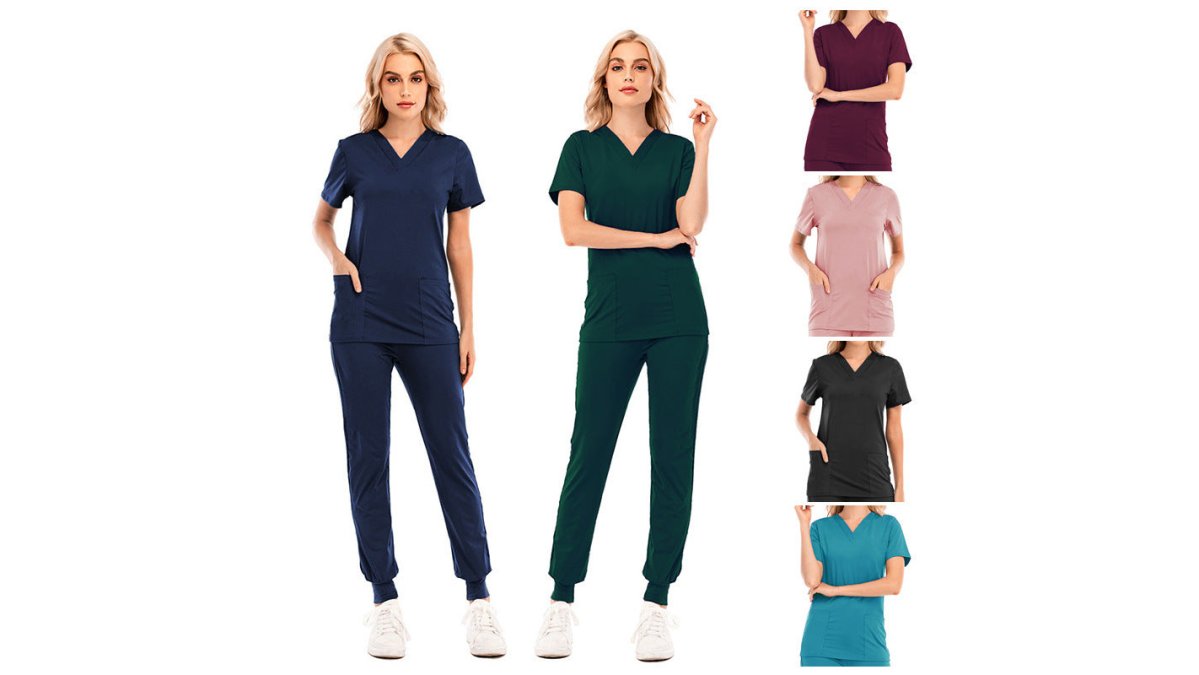
The answer is yes, and the reason is simple: moisture wicking fabric moves sweat away from your skin instead of letting it sit there. For dental hygienists, that difference decides whether hour eight of a clinical shift feels manageable or miserable. This guide from love2wear_scrubs breaks down what to look for, what to avoid, and how fabric choice affects your comfort during long procedures.

What Hygienists Deal With During a Typical Shift
Dental hygienists spend most of a shift in positions that trap heat and restrict airflow. You lean over patients, hold static postures for scaling and polishing, and move between operatories without a real break. Add personal protective equipment, a face mask, and overhead clinical lighting, and the body has few ways to cool itself.
How to Identify High Quality Flexible Scrub Fabric
High quality flexible scrub fabric is material that stretches in every direction, returns to shape, and stays light against the skin. You can judge it in a store or at home in under a minute with three quick tests.
Stretch Test, Weight Test, and Seam Check
- Stretch test: Grip the fabric with both hands and pull in four directions. It should extend and snap back without leaving a stretched-out pocket. If it stays deformed, it will sag at the knees and elbows by mid-shift.
- Weight test: Hold the fabric up to light. A good clinical fabric is opaque but not heavy. Too thin and it clings; too thick and it traps heat.
- Seam check: Look for reinforced, flat-locked seams at stress points like shoulders and crotch. Run a fingernail along the seam. If threads catch easily, it will fray after a few laundry cycles.
Fabric blends matter here. A polyester-cotton blend gives you durability and breathability, while a polyester and spandex mix adds four-way stretch. Spandex content is what lets scrubs move with you when you twist toward an instrument tray or reach across a patient chair.
Best Scrubs for Dental Hygienists: What to Look For
Generic medical-apparel advice tells you to buy "moisture-wicking scrubs." That is not enough for dental hygiene work. The operatory adds variables most scrub guides never mention: aerosolized spray from ultrasonic scalers, repeated leaning over a patient chair, and daily contact with surface disinfectants. The right scrub set balances five features against each other, and understanding the trade-offs is what separates a set that lasts a year from one that sags by month three.

1. Moisture transport, not just "moisture wicking"
Look for fabric described as moisture wicking or quick-drying, but understand what that means mechanically. Wicking fabric uses capillary action, thin fiber channels pull liquid sweat from the skin side to the outer surface, where airflow evaporates it. Cotton does the opposite: its fibers absorb and hold water, which is why a cotton scrub feels heavy and clammy an hour into a scaling appointment.
2. Four-way stretch and the movements it actually supports
Four-way stretch means the fabric extends along both the warp and weft (lengthwise and crosswise) and returns to shape. Dental hygiene work demands this in specific ways:
- Sustained forward lean during scaling and root planing, which pulls fabric across the lower back and shoulders.
- Lateral reach toward an instrument tray or suction hose, which stresses the side seams.
- Twisting between operatories while carrying instruments, which loads the waistband and crotch.
3. Fluid resistance vs. breathability, the real trade-off
This is the trade-off most guides gloss over. Adding fluid resistance (a tighter weave or a durable water-repellent finish) reduces airflow, which reduces breathability. You cannot maximize both.
4. Chemical durability against operatory disinfectants
Hygienists handle surface wipes, spray disinfectants, and instrument cleaners daily. Repeated contact with these agents degrades weak fibers faster than sweat alone. Tightly woven synthetic fibers, particularly polyester, generally resist chemical penetration and fading better than loose cotton weaves. Spandex, however, is the weak link: heat and certain chemicals break down elastic fibers over time, which is why stretch scrubs lose their snap before they lose their color.
5. Easy care that protects the features you paid for
Fabric that resists fading and shrinking through repeated laundry cycles saves money over time. The catch is that the care routine protecting color can shorten the life of the stretch. High heat degrades elastic fibers, so a cooler wash cycle and air-drying preserve fit longer than a hot wash and tumble dry.
| Feature | What It Does | Why It Matters for Hygienists | Trade-off to Know |
|---|---|---|---|
| Moisture wicking | Moves sweat to fabric surface via capillary action | Keeps you dry during long procedures | Wicking slows once fabric is saturated |
| Four-way stretch | Stretches in all directions and recovers | Supports leaning, reaching, and twisting | Spandex degrades with heat and chemicals |
| Fluid resistance | Repels splashes and spray | Supports infection control in the operatory | Reduces breathability |
| Quick-drying | Speeds evaporation | Reduces dampness between patients | Often requires synthetic fibers |
| Chemical durability | Resists disinfectant breakdown | Extends usable life of the garment | Tight weaves feel warmer |
Fabric Durability vs. Chemical Exposure in the Operatory
Durability is where cheap scrubs fail fastest. In a dental operatory, fabric faces more than sweat. It meets disinfectant sprays, surface wipes, and the general wear of a clinical environment. Over time, harsh chemicals break down weak fibers, causing fading, thinning, and loss of stretch.
CDC guidance on healthcare laundry and infection control
Layering and Temperature Regulation During Long Procedures
Most scrub guides treat layering as a fashion question. For dental hygienists, it is a thermal-regulation problem, and the driver is physical exertion. Scaling and root planing are not passive tasks, they require sustained hand pressure, fine motor control, and static postures held for 30 to 60 minutes at a time. That combination raises core temperature even in a cool treatment room, and it does so while PPE and overhead lighting reduce your body's ability to shed heat.
How the base layer does the work
Your base layer, the scrub top and pants against your skin, is the only layer that touches sweat directly. If it wicks, moisture moves outward and evaporates. If it absorbs (cotton), moisture stays against your skin and you feel damp and chilled the moment you step into a cooler hallway.
How the outer layer manages the swing
The outer layer, a scrub jacket, lab coat, or light vest, should be easy to remove and easy to store between patients. Its job is not to wick; its job is to be added or shed quickly as your body temperature changes. A zip-front jacket works better than a pullover for this reason: you can open it during a demanding procedure and close it during charting without leaving the operatory.
Matching layers to the procedure, not the room
A practical approach is to think in terms of procedure intensity rather than room temperature:
- Light procedures (polishing, fluoride, radiographs): base layer alone, jacket nearby.
- Moderate procedures (routine prophylaxis): base layer plus open jacket.
- Demanding procedures (heavy calculus removal, periodontal maintenance, long root planing): base layer, jacket removed or open, sleeves pushed up if allowed by infection-control policy.
Fit matters as much as fabric
A closer, modern cut moves with you and reduces the bulk that traps heat. A loose, boxy scrub top creates an air pocket that feels cool when you are still but becomes a heat trap once you start moving. Four-way stretch fabric lets you wear a closer fit without restricting the reach and lean that hygiene work requires.
Sustainability and Microplastics in Performance Scrubs
Performance scrubs are mostly synthetic, and that raises a fair question about sustainability. Synthetic fibers can shed microplastics during washing, and those particles can enter waterways. This is an emerging concern across performance apparel, not just medical wear.
- Wash full loads rather than small ones to reduce fiber friction.
- Use a cooler laundry cycle, since heat increases fiber breakdown.
- Air-dry when possible to protect elastic fibers.
- Choose durable fabric that lasts through more laundry cycles, so you replace scrubs less often.
EPA information on microplastics and textile waste
What to Look For: A Quick Buying Checklist
Use this checklist before you buy any clinical scrub set:
- Fabric is labeled moisture wicking or quick-drying
- Blend includes spandex for four-way stretch
- Seams are reinforced at shoulders and crotch
- Fabric passes the light test (opaque, not heavy)
- Care instructions allow a cooler wash cycle
- Sizing chart reviewed, with room to move
OSHA guidance on personal protective equipment in healthcare
Frequently Asked Questions
What is the best fabric for dental scrubs?
Polyester blends with a small amount of spandex work well for dental hygienists. Polyester moves sweat away from skin and dries fast, while spandex adds the stretch you need for leaning, reaching, and twisting during cleanings. A 95% polyester and 5% spandex blend, like the Scrub Set Short Sleeve Quick Drying, balances moisture wicking with four-way stretch. Cotton feels soft but holds moisture and stains longer, which matters when you are splashed with rinse water or polishing paste.
Do moisture-wicking scrubs help with body temperature regulation during procedures?
Yes, to a point. Moisture wicking fabric pulls sweat off your skin and spreads it across the surface so it evaporates faster. That evaporation cools you down. During a 45-minute root scaling, your body heat rises, and a fabric that traps sweat will leave you damp and chilled between patients. A wicking fabric keeps you drier, so your temperature stays steadier. It is not air conditioning, but it makes a real difference under operatory lights.
Are synthetic moisture-wicking fabrics durable enough for daily clinical use?
Polyester-based wicking fabrics hold up well with proper care. They resist shrinking and fading better than cotton. Wash in warm water, tumble dry low, and a quality polyester scrub set should last through months of regular clinical wear.
How do moisture-wicking scrubs compare to traditional cotton blends?
Cotton blends feel soft and breathe well, but they absorb sweat and hold it against your skin. That leaves you damp and can feel cold when you step into an air-conditioned hallway. Moisture wicking fabric moves sweat to the surface for quick evaporation, so you stay drier. Cotton also wrinkles more and takes longer to dry after washing. For hygienists who work up a sweat leaning over patients all day, a wicking polyester blend keeps you more comfortable and looks more professional.
What should dental hygienists look for in high-quality scrub fabric?
Check four things: stretch, weight, seam construction, and finish. Stretch should let you reach across a patient without the fabric pulling tight. Weight should feel substantial enough to drape well but light enough to breathe. Seams should be reinforced at stress points like shoulders and pockets. Finally, look for a wicking finish that survives repeated washing. A scrub set like the Moisture Wicking Scrub Set checks these boxes at a price that works for hygienists buying their own uniforms.
Dental hygiene work demands scrubs that handle sweat, movement, and chemical exposure without falling apart. love2wear_scrubs builds medical apparel around exactly those needs, with durable, breathable fabric, a modern fit, and quality uniforms without the premium price tag. Explore the moisture wicking scrub sets and find a fit that carries you through every shift. Get started with love2wear_scrubs and stay comfortable from your first patient to your last.