

Quick-Drying Scrubs for Veterinary Staff: A 2026 Guide
Table of Contents
- Why Quick-Drying Scrubs Matter for Veterinary Environments
- What Makes Quick-Drying Scrubs Fast: Fabric Technology and Moisture-Wicking
- Animal Hair Resistant Scrubs: Essential for Vet Techs
- How to Remove Fur From Scrubs and Keep Them Fresh
- Best Scrubs for Vet Techs: Key Features That Matter
- Odor Control and Temperature Regulation in Clinic Settings
- Environmental Impact: Why Synthetic Quick-Dry Fabrics Matter
- Conclusion
Last Updated: August 16, 2026
Why Quick-Drying Scrubs Matter for Veterinary Environments
Quick-drying scrubs for veterinary staff are essential gear for a profession demanding constant movement, exposure to fluids, and unpredictable animal behavior. When scrubs stay damp or absorb fluids, you face hygiene concerns, temperature regulation issues, and fabric degradation that shortens uniform lifespan.
Cotton absorbs moisture and holds it, leading to longer drying times, odor, mildew, and bacterial growth. Quick-drying synthetic blends shed moisture instead, drying faster, staying fresher longer, and maintaining professional appearance through back-to-back shifts.
At love2wear_scrubs, we understand that veterinary professionals need workwear keeping pace with demanding environments. This guide explains what makes quick-drying scrubs worth the investment, how the fabric technology works, and which features separate scrubs that truly perform from those that merely claim to.
What Makes Quick-Drying Scrubs Fast: Fabric Technology and Moisture-Wicking
Quick-drying scrubs rely on specific fabric compositions prioritizing moisture management. Synthetic fibers don't absorb water like natural fibers; they allow moisture to pass through and evaporate from the surface, keeping you dry and reducing drying time after washing.
Synthetic Fiber Blends and Breathability
Most quick-drying scrubs use polyester blended with spandex for stretch and durability. Polyester is hydrophobic, it repels water rather than absorbing it, enabling the quick-drying characteristic essential for veterinary work.
Breathability in synthetic blends works through moisture-wicking technology. Fibers pull sweat and moisture away from your skin toward the outer surface, where it evaporates. This keeps you feeling dry during high-activity procedures like surgery or emergency stabilization.
A typical quick-drying scrub blend is 88% polyester and 12% spandex. Polyester handles moisture-wicking and quick-dry properties, while spandex provides four-way stretch for unrestricted movement. Premium options incorporate mesh panels in high-heat areas (underarms, back) to enhance breathability and cooling.
Weave structure matters too. Lighter-weight fabrics dry faster but need sufficient durability to withstand frequent washing and veterinary wear. The best quick-drying scrubs balance lightweight construction with a tight enough weave to resist pilling and maintain shape through dozens of wash cycles.
Anti-Static and Animal Hair Resistant Properties
Quick-drying scrubs for veterinary work feature anti-static technology that reduces static electricity, making fabric less attractive to pet hair. Specialized quick-shed technology creates a slightly slick surface that repels hair rather than trapping it, making hair slide off both during work and in the washing machine.
Fluid-repellent finishes cause liquids to bead up on the surface rather than soaking in immediately, giving you time to wipe the fabric clean before fluids penetrate the weave. This reduces staining and makes cleanup easier during busy shifts.
These treatments gradually wear away with repeated washing, typically lasting 50-75 wash cycles. Some manufacturers design scrubs so these finishes can be refreshed, while others recommend replacement once treatments have worn away.
Animal Hair Resistant Scrubs: Essential for Vet Techs
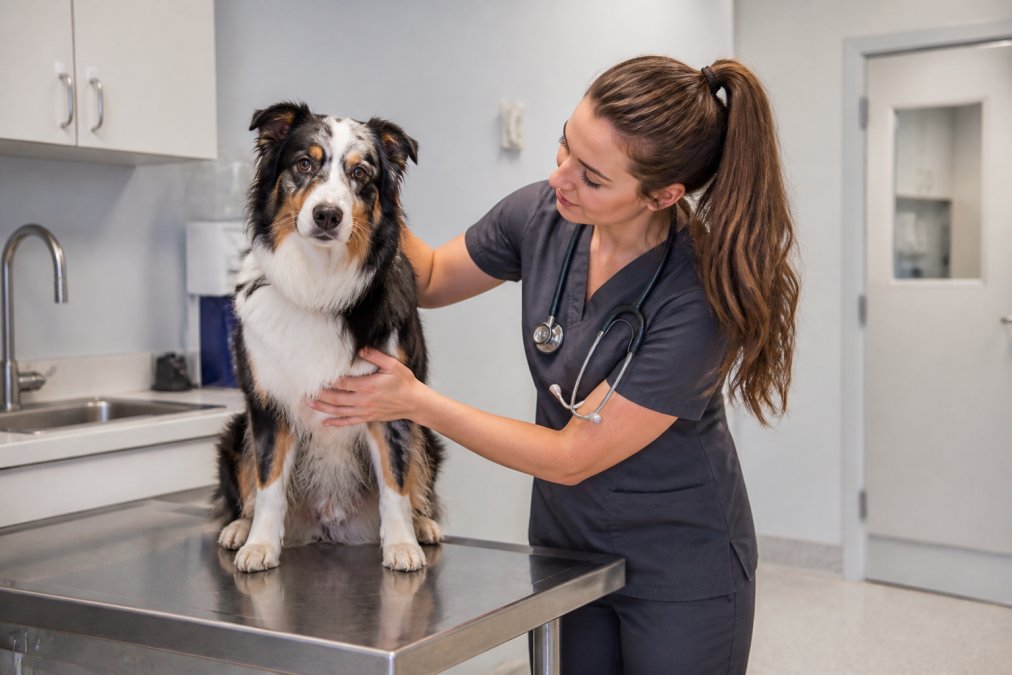
Animal hair resistance separates scrubs designed for veterinary work from general medical scrubs. The combination of anti-static treatment and smooth synthetic weave creates a surface where hair doesn't stick readily. Hair rolls off the fabric instead of clinging, meaning less lint rolling at shift's end and cleaner scrubs from the wash.
Specialized quick-shed technology creates an almost Teflon-like surface that repels hair more aggressively than standard anti-static treatments. These scrubs typically cost more but justify the investment for high-volume clinics handling multiple animals per hour.
Fit matters significantly. Loose fabric traps more hair than fitted fabric. Modern veterinary scrubs use tapered cuts and articulated seams minimizing excess fabric while maintaining mobility. This fitted approach reduces surface area where hair accumulates and makes brushing or lint rolling easier.
Durability is inseparable from hair resistance. Once synthetic fibers pill or degrade, they create rougher surfaces that trap more hair. The best quick-drying scrubs maintain smooth finishes through dozens of wash cycles, keeping hair-resistant properties effective for months.
How to Remove Fur From Scrubs and Keep Them Fresh
Getting fur off scrubs before washing is essential because hair embedding in the wash cycle becomes nearly impossible to remove completely. Systematic pre-wash preparation protects scrub longevity and professional appearance.
Pre-Wash and Washing Best Practices
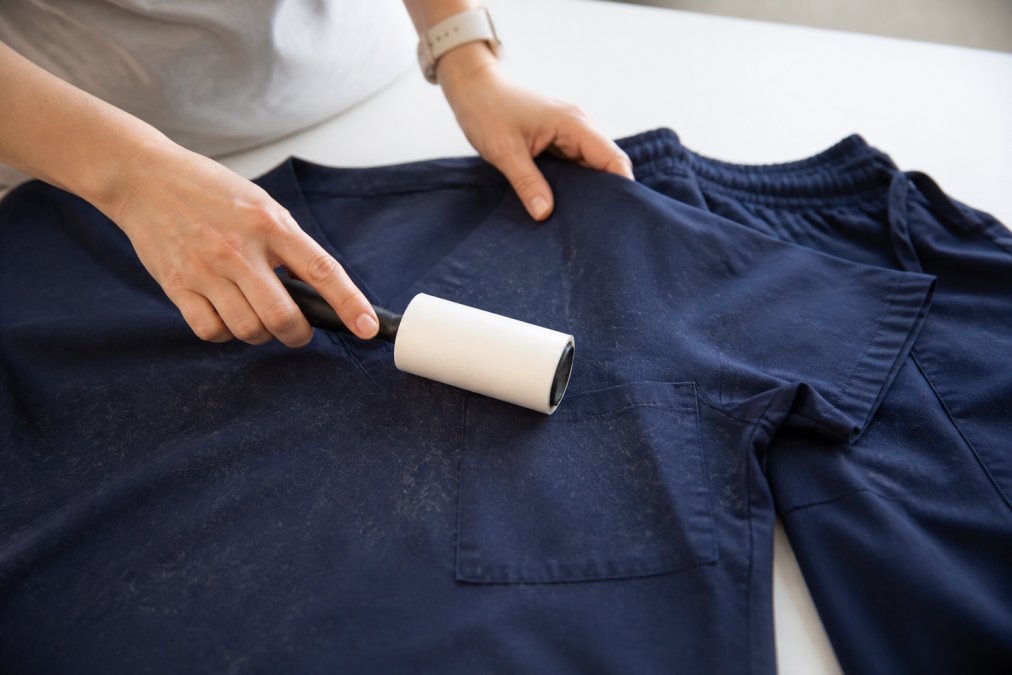
Start with a lint roller immediately after your shift while scrubs are still dry. Lint rolling wet scrubs is less effective because moisture makes hair cling harder. Roll the entire surface, paying special attention to areas with most animal contact: chest, lap, and arms.
For stubborn hair, a soft-bristled brush or rubber broom works better than hand-picking. Brush in one direction using light pressure; aggressive scrubbing damages fabric and creates rough surfaces that trap more hair.
Before washing, turn scrubs inside out to expose interior seams and allow the machine to dislodge hair. Use cold water, which helps prevent synthetic fibers from relaxing and trapping hair more deeply. Hot water can cause polyester to relax slightly, embedding hair more readily.
Skip fabric softener. It coats fibers and reduces the slickness that makes quick-shed technology work. It also builds up over time, making scrubs feel stiff and look dull. Use gentle detergent designed for athletic wear and avoid bleach, which degrades synthetic fibers and breaks down fluid-repellent and anti-static treatments.
Drying and Storage Tips
Air drying is ideal for quick-drying scrubs. Machine drying on high heat can degrade synthetic fibers and cause shrinkage. Hang dry on a clothesline or drying rack; scrubs will be ready in a few hours, much faster than cotton.
For next-day shifts, low-heat dryer cycles work, but reserve high heat for emergencies. Many veterinary professionals keep dedicated drying racks for scrubs so they can air dry while maintaining dryer access for other laundry.
Storage matters too. Fold scrubs neatly or hang them to prevent wrinkles from setting in. A simple hanging rod in your locker or at home keeps scrubs wrinkle-free and ready to wear without ironing.
Best Scrubs for Vet Techs: Key Features That Matter
Choosing the right quick-drying scrubs means evaluating how specific features work together to support your actual workflow.
Durability and Wash-and-Wear Convenience
Durability means resisting pilling, fading, and seam failure through dozens of wash cycles. The best scrubs use reinforced seams at stress points like pocket corners and armholes. A single seam failure can unravel quickly, making pockets unusable mid-shift.
Wash-and-wear convenience means scrubs maintain appearance and fit without ironing or special care. Quick-drying synthetic blends excel here because they're naturally wrinkle-resistant. Pull them straight from the dryer or drying rack and wear immediately. For veterinary professionals managing multiple shifts weekly, this time savings is significant.
Color retention is part of durability. Scrubs that fade quickly look worn and unprofessional. The best quick-drying scrubs use dyes bonding well to synthetic fibers and resisting fading through frequent washing. Optimal fabric weight for veterinary scrubs is typically 4.5 to 5.5 ounces per square yard, substantial enough to withstand wear but light enough to dry in hours.
Fit, Mobility, and Functional Pockets
Modern veterinary scrubs use tapered cuts following body contours without excess fabric. This fitted approach keeps scrubs from riding up when bending or reaching, critical during procedures requiring constant movement.
Four-way stretch fabric is essential for mobility, stretching both vertically and horizontally for full range of motion. When lifting large dogs or reaching across exam tables, scrubs must move with you, not against you.
Pockets are functional necessity. You need deep pockets that won't rip when carrying scissors, stethoscopes, pens, and phones. The best veterinary scrubs feature reinforced pocket construction with bar tacks at stress points. Some designs include specialized pockets sized for specific tools, phone pockets, scissors pockets, and utility pockets, so everything has a designated spot.
Wrinkle Resistance and Professional Appearance
Wrinkle resistance comes from fabric blend and weave structure. Polyester naturally resists wrinkles better than cotton, and tight weaves resist wrinkling better than loose ones. The best quick-drying scrubs maintain crisp, professional appearance throughout shifts despite constant bending, sitting, and movement.
Professional appearance extends to fit and movement. Scrubs too loose or too tight look unprofessional and affect how clients and colleagues perceive your competence. Modern veterinary scrubs use articulated seams and strategic dart placement achieving the balance between snug enough to move with your body and not so tight that you're restricted or uncomfortable.
Odor Control and Temperature Regulation in Clinic Settings
Veterinary clinics present unique odor management challenges. Animal odors, bodily fluids, and moisture from constant activity create persistent smells even in regularly washed scrubs. Quick-drying scrubs address this through antimicrobial treatments and moisture-wicking technology preventing the damp conditions where odor-causing bacteria thrive.
Moisture-wicking is the primary odor control mechanism. By pulling sweat and moisture away from your skin toward the fabric surface where it evaporates, moisture-wicking prevents the warm, damp environment where bacteria multiply. Less moisture means less bacterial growth and less odor.
Some premium quick-drying scrub lines include antimicrobial treatments inhibiting bacterial growth directly on fabric. These treatments are particularly valuable in veterinary settings where pathogen exposure is higher than typical medical environments. Antimicrobial properties help control odor and reduce cross-contamination risk between patients.
Temperature regulation is critical for comfort and performance. Veterinary work is physically demanding, and overheating reduces focus and increases fatigue. Quick-drying synthetic scrubs typically include breathable mesh panels in high-heat areas like underarms and back, allowing air circulation where needed most and helping regulate body temperature during active procedures.
The lightweight nature of quick-drying fabrics supports temperature regulation. You're not carrying excess weight trapping heat, and moisture-wicking action helps cool your body through evaporation. For clinics with variable temperature control or high-activity areas, this makes a measurable difference in comfort through full shifts.
Environmental Impact: Why Synthetic Quick-Dry Fabrics Matter
The environmental conversation around synthetic scrubs is nuanced. While synthetic fibers are petroleum-based and don't biodegrade, quick-drying scrubs' durability can actually reduce overall environmental impact compared to natural alternatives.
Quick-drying scrubs last longer than cotton equivalents. A synthetic scrub maintaining performance through 100+ wash cycles replaces multiple cotton scrubs that deteriorate much faster. Fewer garments produced means less water, energy, and chemicals used in manufacturing.
Some manufacturers now produce quick-drying scrubs using recycled polyester, reducing demand for virgin petroleum-based materials. Recycled polyester performs identically to virgin polyester but carries significantly lower environmental burden.
Water usage in washing is another environmental consideration. Quick-drying scrubs require less frequent washing because they dry faster and stay fresher longer. A scrub drying in hours versus 24+ hours means rotating fewer garments, reducing overall laundry frequency. For busy veterinary clinics washing scrubs multiple times weekly, this reduction is meaningful.
The most environmentally responsible choice is buying scrubs that last. Investing in quality quick-drying scrubs maintaining performance through dozens of wash cycles is more sustainable than repeatedly replacing cheaper scrubs that degrade quickly. This aligns with the love2wear_scrubs commitment to quality workwear that doesn't require constant replacement.
Conclusion
Quick-drying scrubs for veterinary staff represent a practical investment in comfort, durability, and professional appearance. The fabric technology making these scrubs dry quickly also delivers moisture-wicking, animal hair resistance, and odor control, features directly addressing veterinary work demands. From pre-wash preparation to choosing scrubs with the right fit and functional features, every workwear decision affects your shift performance.
The veterinary profession demands uniforms keeping pace with constant movement, fluid exposure, and unpredictable animal behavior. Love2wear_scrubs delivers durable, breathable scrubs with modern fit and easy care, quality workwear designed specifically for veterinary professionals' demanding needs without premium pricing. Get started with love2wear_scrubs and experience how the right uniform makes every shift more comfortable and professional.
Common questions about quick-drying scrubs for veterinary staff:
How long does it actually take quick-drying scrubs to dry compared to cotton? Quick-drying synthetic scrubs typically dry in 2-4 hours with air drying, while cotton scrubs often take 12-24 hours. Machine drying on low heat accelerates the process to 30-60 minutes.
Will quick-drying scrubs shrink if I machine dry them? Synthetic scrubs are less prone to shrinkage than cotton, but high heat can cause minor shrinkage over time. Low-heat drying minimizes this risk. Always check manufacturer care instructions.
Do I really need specialized veterinary scrubs, or will any quick-drying scrubs work? Veterinary-specific scrubs include animal hair-resistant finishes, fluid-repellent coatings, and functional pocket designs that general medical scrubs lack. Scrubs designed specifically for veterinary work perform better and last longer in that environment.
How do I know if a scrub's anti-static or hair-resistant treatment is actually working? The treatment works if hair rolls off easily during lint rolling and if you notice less hair embedded after washing. Over time, as treatment wears away, you'll notice hair clinging more readily, indicating the treatment has served its lifespan.
What's the difference between moisture-wicking and quick-drying? Moisture-wicking pulls sweat and fluids away from your skin toward the fabric surface. Quick-drying is the result, moisture isn't absorbed and held in fibers but evaporates quickly instead.
Can I use fabric softener on quick-drying scrubs? No. Fabric softener coats fibers and reduces the slickness that makes quick-shed technology work. Skip fabric softener entirely for synthetic scrubs.
How often should I replace my quick-drying scrubs? Quality quick-drying scrubs typically last 12-18 months with regular wear and proper care. Replace them when you notice persistent odor, visible pilling or degradation, seam failures, or loss of wrinkle resistance.
Frequently Asked Questions
What makes quick-drying scrubs dry faster than regular cotton scrubs?
Quick-drying scrubs use synthetic fabric blends, typically polyester and spandex, with moisture-wicking technology that pulls sweat and fluids away from your skin and allows them to evaporate rapidly. Unlike cotton, which absorbs moisture and holds it, synthetic fibers shed water quickly. This is especially valuable in veterinary clinics where you're exposed to fluid spills and high activity levels. Most quick-drying scrubs dry 3-4 times faster than traditional cotton blends.
Are animal hair resistant scrubs worth buying for veterinary work?
Yes, especially if you work directly with animals. Animal hair resistant scrubs use anti-static technology and tight weave constructions that repel pet hair rather than attract it. This reduces the time spent removing fur before and after your shift and helps your scrubs maintain a professional appearance throughout the day. For vet techs handling multiple animals, this feature significantly reduces frustration and laundry time.
How do I remove fur from scrubs without damaging the fabric?
Start before washing by using a lint roller or sticky tape to remove loose hair. For stubborn fur, soak scrubs in cool water for 15 minutes, then gently brush with a soft-bristled brush. Wash in cold water on a gentle cycle with like colors. Use a dryer sheet during drying to help release remaining hair. For best results, hang-dry if possible to preserve fabric integrity. Avoid hot water and high heat, which can set stains and damage synthetic fibers.
What features should I prioritize when choosing the best scrubs for vet techs?
Prioritize four-way stretch for unrestricted movement during physical tasks, moisture-wicking to keep you dry during active shifts, wrinkle-resistant fabric to maintain professional appearance, and durable construction that withstands frequent washing. Deep, angled pockets are essential for carrying tools without them falling out. Look for scrubs with anti-static properties to repel animal hair, and ensure the fit allows full mobility without riding up or shifting during bending and reaching.
External sources for veterinary workwear standards and fabric care:
[EXTERNAL_LINK: OSHA guidelines for healthcare worker safety and personal protective equipment standards | osha.gov]
[EXTERNAL_LINK: American Veterinary Medical Association recommendations for clinic safety and professional standards | avma.org]
[EXTERNAL_LINK: FTC guide to fiber content labeling and fabric care instructions for consumers | ftc.gov]
This article was written using GrandRanker