

How to Prevent Scrubs Fading: 7 Steps
Table of Contents
- Why Scrubs Fade Faster Than Regular Clothes
- Step 1: Separate Your Scrubs by Color Before Washing
- Step 2: Wash Medical Scrubs Inside Out in Cold Water
- Step 3: Use Color-Safe Detergent and Manage Quantity
- Step 4: How to Remove Stains from Scrubs Without Fading
- Step 5: Choose Air Drying Over Machine Heat
- Step 6: Keep Wrinkle Free Scrubs for Nurses Without Fading
- Step 7: The Best Way to Wash Medical Scrubs Long-Term
Why Scrubs Fade Faster Than Regular Clothes
Medical scrubs fade faster than everyday clothing because they endure harsher conditions than typical workwear. Healthcare professionals wash scrubs frequently, often multiple times per week, due to exposure to bodily fluids, medications, and contaminants. This aggressive washing schedule accelerates color loss. Additionally, many healthcare facilities use commercial laundry equipment and hot water cycles designed for sanitization rather than color preservation, which breaks down fabric dyes more quickly than gentle home washing.
The fabric composition also matters. Most scrubs blend synthetic fibers like polyester with cotton, which can trap dyes differently than 100% natural fabrics. When synthetic blends are exposed to heat, harsh detergents, and repeated agitation, the dye molecules release from the fiber surface faster. The problem intensifies when scrubs are dried in high-heat dryers, a common practice in busy healthcare settings where time is limited.
Understanding why fading happens is the first step toward preventing it. At love2wear_scrubs, we've designed our scrubs with durability in mind, but even the highest-quality garments require proper care to maintain their color and appearance. The seven steps that follow address the root causes of fading and show you exactly how to keep your scrubs looking professional throughout their lifespan.
Step 1: Separate Your Scrubs by Color Before Washing
Color separation is the foundation of preventing scrubs fading. Washing dark scrubs with light-colored items allows dyes to migrate between garments, causing light colors to pick up stains and dark colors to lose their richness. This process, called dye migration, happens because loose dyes from darker fabrics leach into the wash water and settle on lighter items.
Before washing, sort your scrubs into three categories: darks (navy, black, deep green), lights (white, pale blue, cream), and mid-tones (gray, khaki, burgundy). Keep each category separate. If you have only a few scrubs of one color, wait until you have enough to fill a small load rather than mixing colors out of convenience. A half-full dark load is better than a mixed-color full load.
Pay special attention to new scrubs purchased from love2wear_scrubs or any retailer. New garments release excess dye during the first two to three washes. Wash brand-new scrubs separately, even if they're the same color as other items. This prevents the excess dye from affecting established pieces in your collection.
Check pockets and seams before washing. Remove any items left behind and inspect the fabric for existing stains. Treating stains before washing, rather than after, prevents them from setting and becoming permanent during the wash cycle.
Step 2: Wash Medical Scrubs Inside Out in Cold Water
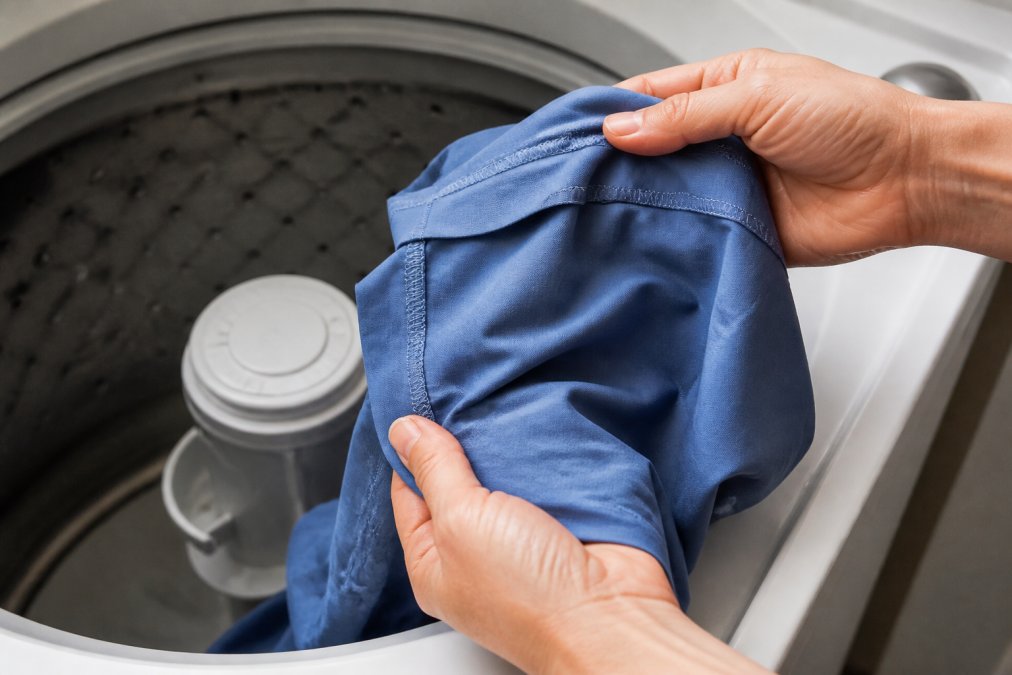
Washing scrubs inside out protects the outer surface from direct contact with agitation and detergent, which are the primary drivers of color fading. When the inside of the fabric faces outward during washing, the outer surface, the visible part you wear, experiences less friction and chemical exposure.
Cold water is essential for color retention. Hot water opens the fiber structure, allowing dyes to escape more easily. Cold water keeps fibers closed and dyes locked in place. Many healthcare workers default to hot water for sanitization, but modern detergents work effectively in cold water, and washing machines themselves generate enough heat through friction to achieve adequate cleaning without additional thermal input.
Set your washing machine to a gentle or delicate cycle, not the standard heavy-duty cycle. The gentle cycle uses less agitation and shorter spin times, which reduces mechanical stress on the fabric. Heavy agitation breaks down dyes and causes pilling, those small fabric balls that form on the surface and make scrubs look worn.
Water hardness affects how well detergent works and how much soap residue remains on fabrics. Hard water leaves mineral deposits that can dull colors and make fabrics stiff. If you have hard water, consider using a water softener additive or a detergent formulated for hard water. This small adjustment prevents detergent buildup, which contributes to color fading and fabric deterioration over time.
Load the washing machine appropriately. Overstuffing prevents proper water circulation and detergent distribution, leaving some areas unwashed while others receive excess chemical exposure. Fill the drum about three-quarters full, leaving enough space for clothes to move freely.
Step 3: Use Color-Safe Detergent and Manage Quantity
Color-safe detergents are formulated without harsh bleaching agents and optical brighteners that strip color from fabric. Standard detergents often contain these chemicals to brighten whites, but they also fade darker colors. Switching to color-safe detergent is one of the simplest changes you can make to prevent scrubs fading.
Read the detergent label carefully. Look for products labeled "color-safe," "for darks," or "for colors." Avoid any detergent containing bleach, even in small amounts. Some brands advertise "bleach-free" formulas specifically because bleach is a primary cause of color loss.
Using the correct detergent quantity is critical. More detergent does not mean cleaner clothes, it means more chemical residue left on the fabric. Excess detergent accumulates over multiple washes, creating a buildup that dullifies colors and makes fabrics feel stiff. Follow the manufacturer's dosage recommendation for your load size and water hardness level. If you have soft water and a small load, use less than the recommended amount.
Liquid detergents dissolve more completely than powders and are less likely to leave residue. If you prefer powder detergent, dissolve it in water before adding it to the machine. This prevents undissolved particles from concentrating on certain garments.
Avoid fabric softener and dryer sheets, which coat the fabric surface with oils and chemicals that trap dirt and reduce breathability. For healthcare workers, this buildup can compromise the moisture-wicking properties of scrubs. If static cling is a concern, use wool dryer balls instead, they reduce static without chemical coatings.
Step 4: How to Remove Stains from Scrubs Without Fading
Stain removal without fading requires treating stains before washing and using gentle methods that don't set the stain or damage the dye. The goal is to lift the stain without bleaching the surrounding color.
For protein-based stains like blood or bodily fluids, rinse immediately with cold water. Hot water sets protein stains permanently. Gently rub the stain under running cold water to flush out the bulk of the material. Do not scrub aggressively, this drives the stain deeper into the fabric fibers.
For oil-based stains, apply a small amount of liquid dish soap directly to the stain. Let it sit for 5-10 minutes without rubbing. The soap breaks down the oil without the harshness of laundry detergent. Rinse thoroughly with cold water.
For stubborn stains, create a paste of color-safe detergent and cold water. Apply it to the stain and let it sit for 15-30 minutes. Gently work the paste into the fabric with a soft brush or cloth, then rinse. This method is safer than bleach-based stain removers, which will fade the surrounding color.
Never use chlorine bleach on colored scrubs. Bleach removes color indiscriminately, creating lighter patches that are impossible to repair. If a stain doesn't come out after gentle treatment, accept it as permanent rather than risk fading the entire garment with harsh chemicals.
Test any stain treatment on an inconspicuous area first, inside a pocket or seam. This ensures the treatment won't cause unexpected color loss before you apply it to the visible stain.
Step 5: Choose Air Drying Over Machine Heat
Machine drying is one of the most damaging practices for scrub longevity and color retention. High heat breaks down dyes, causes shrinkage, and accelerates fabric degradation. Air drying eliminates these risks entirely.
Hang scrubs on a clothesline, drying rack, or hanger in a well-ventilated space. Indoor air drying is preferable to outdoor sun exposure because UV light bleaches colors naturally. If you must dry outside, choose a shaded area or bring scrubs in before they're completely dry.

Air drying takes longer than machine drying, typically 4-8 hours depending on humidity and air circulation, but the time investment pays dividends in garment lifespan. If time is limited, air dry most of the moisture, then use the dryer on the lowest heat setting for 10-15 minutes to finish. This hybrid approach is far gentler than a full machine dry cycle.
Avoid wringing scrubs aggressively. Instead, gently squeeze out excess water and hang immediately. Wringing creates creases and stress points that can become permanent if the garment dries while wrinkled.
If you must use a dryer occasionally, select the "air dry" or "low heat" setting. Never use "high heat" or "sanitize" cycles for colored scrubs. These settings are designed to kill bacteria through heat, not to preserve color.
Step 6: Keep Wrinkle Free Scrubs for Nurses Without Fading
Wrinkles in scrubs are a common concern for healthcare professionals who need to look polished during shifts. Achieving wrinkle-free scrubs for nurses without using high heat requires a combination of proper drying, storage, and minimal ironing.
When you air dry scrubs, hang them on hangers rather than laying them flat. Hanging allows gravity to help smooth wrinkles naturally as the fabric dries. This alone eliminates most creasing without any additional effort.
If wrinkles remain after air drying, use a low-temperature iron or steamer rather than a standard iron on high heat. Set the iron to the synthetic or delicate setting, typically 230-250 degrees Fahrenheit. This temperature removes wrinkles without the heat damage caused by higher settings. Alternatively, a garment steamer is gentler on fabric and produces excellent results without direct heat pressure.
Store scrubs on hangers in your closet rather than folding them in drawers. Hangers prevent creasing and allow air circulation, which reduces odors and keeps fabric fresher between washes.
Some wrinkles develop during washing and drying regardless of technique. These are normal and acceptable in a healthcare setting. Focus on preventing the deep creases that come from improper storage or high-heat drying, not on achieving perfect smoothness.
Love2wear_scrubs designs scrubs with wrinkle-resistant fabrics that minimize creasing naturally. When combined with proper air drying and hanging storage, these scrubs maintain a professional appearance throughout your shift without requiring ironing.
Step 7: The Best Way to Wash Medical Scrubs Long-Term
Establishing a sustainable long-term washing routine is the key to preventing scrubs fading over months and years. The best approach combines all previous steps into a consistent practice that becomes automatic.
Wash scrubs separately from other clothing, using cold water and a gentle cycle. Color-safe detergent and proper quantity are non-negotiable. Turn scrubs inside out before loading them into the machine. This routine takes no additional time once you establish the habit, it simply requires intentional sorting and cycle selection.
Wash scrubs every 2-3 wears rather than after every single shift if possible. This reduces the total number of wash cycles your scrubs experience, directly extending their lifespan. If hygiene concerns require more frequent washing due to specific exposures, wash more often, but recognize that increased washing frequency will reduce color retention and overall durability.
Air dry scrubs whenever possible. If time constraints require occasional machine drying, use the lowest heat setting and remove scrubs while slightly damp. Never allow scrubs to sit in a hot dryer for extended periods.
Inspect scrubs monthly for signs of fading, pilling, or damage. Catching wear early allows you to adjust your care routine before damage becomes severe. If you notice increased fading despite following proper care steps, you may need to adjust your detergent, water temperature, or wash frequency.
Rotate your scrubs collection. If you wear the same two pairs every day, they'll fade faster than if you rotate among five or six pairs. Spreading wear across multiple garments extends the life of each individual piece and reduces the visual impact of minor fading.
Replace scrubs when they no longer meet your professional standards. Love2wear_scrubs scrubs are designed to maintain appearance and comfort through extended use with proper care.
Keeping your scrubs looking fresh and professional requires consistent, intentional care, but the effort is minimal once you establish the routine. Cold water, gentle cycles, color-safe detergent, inside-out washing, and air drying are the core practices that prevent fading and extend garment lifespan. Healthcare professionals who follow these steps report that their scrubs maintain color and appearance significantly longer than colleagues who use standard laundry practices. Start with one or two changes, perhaps switching to color-safe detergent and air drying, and build from there. Small adjustments compound over time, transforming how your scrubs look and feel throughout your career. For high-quality scrubs that respond well to proper care, love2wear_scrubs offers durable options designed for the demanding needs of healthcare professionals. Visit love2wear_scrubs to explore scrubs built to last when cared for correctly.
Frequently Asked Questions
Why do my medical scrubs fade faster than regular clothes?
Medical scrubs fade quickly due to frequent washing, high-heat drying, and the synthetic fiber blends used in healthcare uniforms. Unlike casual clothing, scrubs endure 2-3 washes per week or more, accelerating color loss. Dye migration occurs when water and heat break down the chemical bonds holding color to fabric. Cold water washing and air drying significantly slow this process and extend color retention.
Is the best way to wash medical scrubs really different from washing regular clothes?
Yes. Medical scrubs require specific care: wash inside out in cold water on a gentle cycle using color-safe, bleach-free detergent. Avoid fabric softener and high heat. Regular clothes tolerate warm water and standard detergent. Scrubs' synthetic blends and frequent washing demand this gentler approach to prevent color bleeding, pilling, and fabric degradation that compromise both appearance and durability.
Can you restore the color of faded scrubs?
Once dye molecules break down from heat and chemical exposure, color cannot be fully restored. However, you can prevent further fading by switching to cold water washing, air drying, and color-safe detergent immediately. Some fabric dyes respond slightly to color-restoring rinses, but these offer minimal improvement. Prevention is far more effective than reversal, which is why proper care from the first wash matters most.
How do I remove stains from scrubs without fading the color?
Treat stains immediately with cold water and a color-safe stain remover before washing. Avoid bleach and harsh chemicals entirely. For blood or protein stains, rinse with cold water first, then apply a gentle enzymatic cleaner. Let it sit for 15-30 minutes, then wash inside out in cold water. Never use hot water on stains, as heat sets them and damages dye. This approach removes stains while preserving color integrity.
This article was written using GrandRanker