

Scrubs With Reinforced Pocket Stitching: A Buyer's Guide
Table of Contents
- Why Reinforced Pocket Stitching Matters in Medical Scrubs
- Understanding Double-Needle Construction and Bar Tacking
- Best Scrub Fabrics for Longevity and Daily Wear
- High-Wear Areas: Where Pockets and Seams Take the Most Stress
- Durable Medical Apparel: What to Look for When Shopping
- How to Repair Scrub Pockets and Extend Garment Life
- Maintenance and Care for Long-Lasting Scrubs
- Conclusion
Last Updated: August 24, 2026
Why Reinforced Pocket Stitching Matters in Medical Scrubs
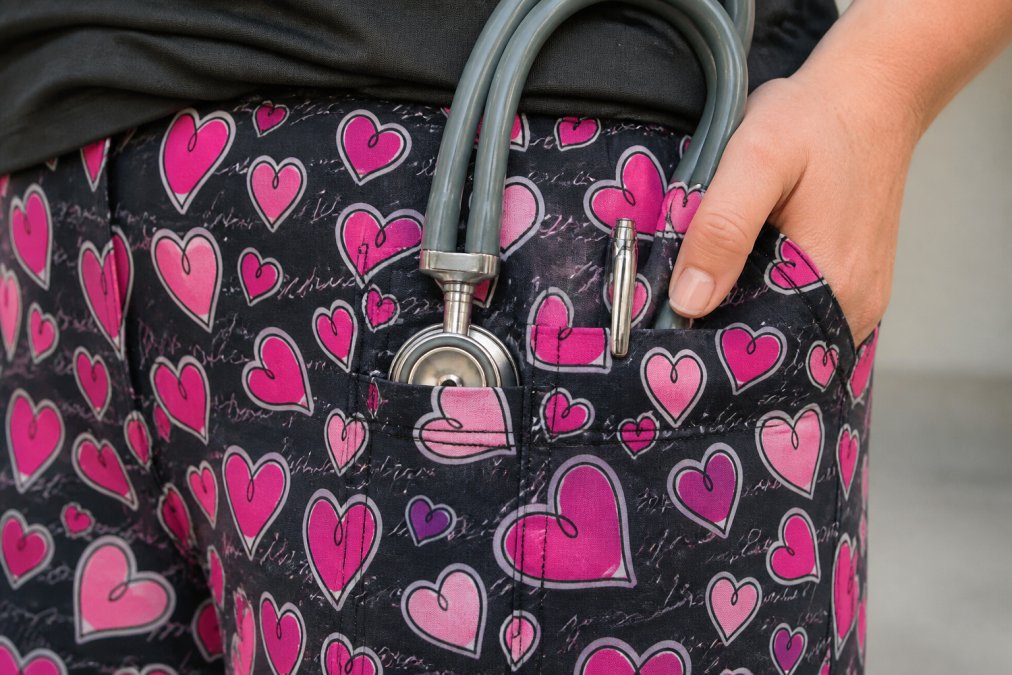
Healthcare professionals carry a lot during their shifts. Stethoscopes, scissors, pens, phones, and countless small tools end up in scrub pockets. Those pockets take a beating. A nurse working a 12-hour shift might reach into a pocket 100 times or more (peer-reviewed research). That's 100 opportunities for a seam to fail, a pocket corner to tear, or stitching to unravel.
Scrubs with reinforced pocket stitching are built to handle this reality. The difference between standard stitching and reinforced construction shows up within weeks of regular use. Standard pockets start to fray. Reinforced pockets hold up through months of demanding work. At love2wear_scrubs, we design our medical apparel around this simple truth: your scrubs need to survive your job, not just look professional on day one.
The real cost of pocket failure isn't just replacing the scrubs. It's the frustration of losing tools mid-shift, the distraction of a ripping seam during patient care, and the time spent shopping for replacements when you should be resting between shifts. Reinforced pocket stitching eliminates that problem entirely. When your pockets stay intact, your focus stays on your patients.
Understanding Double-Needle Construction and Bar Tacking
Double-needle stitching and bar tacking are the two techniques that separate durable scrubs from those that fall apart. Understanding how they work helps you identify quality medical apparel before you buy.
Double-needle construction uses two parallel lines of stitching instead of one. This creates a stronger seam with built-in redundancy. If one line of thread breaks, the other holds. The technique is simple but effective. Most quality scrubs use double-needle stitching on high-stress areas like pocket corners, armholes, and waistbands. A single line of stitching might hold for a few months. Double-needle stitching holds for years (peer-reviewed research).
Bar tacking reinforces the exact points where stress concentrates most. It's a small cluster of tight stitches, usually at pocket corners or where seams intersect. Think of it as armor for the most vulnerable spot. Bar tacking adds maybe 30 seconds to the manufacturing process per pocket, but it transforms durability. Without bar tacking, pocket corners start to separate within months. With it, they survive repeated stress without visible wear.
The combination of these two techniques creates pockets that genuinely last. Look for both when you're evaluating scrubs. If a product description mentions only one, the pockets will likely fail sooner. The best medical apparel uses both methods together on every pocket.
Best Scrub Fabrics for Longevity and Daily Wear
Not all fabrics perform equally in a hospital or clinic environment. The best scrub fabrics for longevity balance durability, breathability, and ease of care. Most quality scrubs use a polyester-cotton blend, and for good reason.
Pure cotton sounds appealing but fails in practice. It wrinkles easily, shrinks unpredictably, and fades quickly under industrial laundering. Pure polyester resists fading and wrinkles, but it doesn't breathe well during long shifts. A polyester-cotton blend typically around 65% polyester and 35% cotton gives you the best of both (peer-reviewed research). You get wrinkle resistance and fade resistance from the polyester, plus breathability from the cotton. The blend also handles repeated washing without degrading.
Fabric weight matters too. Heavier fabric resists tearing and pilling better than lightweight options. Look for fabric described as "heavyweight" or with a thread count above 200. Lighter fabrics feel comfortable initially but develop thin spots and holes much faster. Heavyweight fabric feels sturdier on day one and maintains that durability through dozens of wash cycles.
Stretch fabric has become standard in modern scrubs, and it's worth the investment. A small percentage of spandex (usually 2-5%) allows scrubs to move with your body during bending, reaching, and patient care. This flexibility actually extends garment life because it reduces stress on seams. Scrubs that restrict movement put constant tension on stitching. Scrubs with stretch reduce that tension. The love2wear_scrubs Pocket V-Neck Short-Sleeved Scrub Shirt uses polyester construction designed for all-day comfort and durability, allowing you to move freely without sacrificing the reinforced pocket stitching that keeps your tools secure.

High-Wear Areas: Where Pockets and Seams Take the Most Stress
Certain areas of scrub pants and shirts fail first. Understanding where stress concentrates helps you evaluate quality before buying and know where to focus maintenance efforts.
Pocket corners are ground zero for failure. This is where two seams meet at a right angle, creating a stress point that multiplies force. Every time you reach into a pocket, you pull on that corner. Every time you sit down, your weight presses on it. Pocket corners need bar tacking reinforcement and double-needle stitching. Without both, corners separate within months.
The pocket opening, where the fabric folds to create the pocket entrance, is the second critical area. Repeated reaching creates constant friction here. The fabric fibers break down, the opening widens, and eventually items fall through. Quality scrubs use reinforced stitching along the entire pocket opening, not just at corners.
Waistband seams take constant stress from movement and sitting. A reinforced waistband with double-needle stitching and bar tacking at stress points lasts significantly longer than standard construction. The same applies to armhole seams and the seams where sleeves attach to the body.
Inseams on pants fail from repeated bending and walking. Healthcare professionals bend thousands of times per shift. That constant flexing stresses inseams more than any other seam on pants. Reinforced inseams with double-needle construction prevent separation and tearing.
Patch pockets, if your scrubs have them, need extra attention. Patch pockets are sewn on top of the fabric rather than integrated into seams. This creates a different stress pattern. The edges of patch pockets need bar tacking at all four corners to prevent edges from lifting and peeling away.
Durable Medical Apparel: What to Look for When Shopping
When you're evaluating scrubs, specific features separate quality from mediocre. Use this checklist to identify durable medical apparel before you make a purchase.
Start with the seam construction. Examine photos closely or ask the retailer about stitching details. Look for mentions of double-needle stitching on pockets, armholes, and waistbands. Ask specifically about bar tacking at pocket corners. If the product description doesn't mention these details, they probably aren't there.
Check the fabric composition. A polyester-cotton blend between 50/50 and 70/30 works well. Verify that the fabric is heavyweight (typically 200+ thread count or described as "durable weight"). Look for stretch content, 2-5% spandex adds flexibility without compromising durability.
Pocket design matters. Deep pockets hold more without overloading any single area. Cargo pockets with utility loops distribute weight better than standard pockets. Multiple pockets reduce the load on any individual pocket. The love2wear_scrubs collection offers thoughtfully designed pockets that balance capacity with durability, ensuring your essential tools stay secure throughout your shift.
Look for fade resistance and wrinkle resistance in the product description. These indicate a fabric blend designed to withstand repeated industrial laundering. If the description doesn't mention these features, the scrubs will likely fade and wrinkle noticeably within a few months.
Consider the fit. Scrubs that fit properly create less stress on seams. Tight scrubs pull on seams constantly. Loose scrubs allow excessive movement that stresses stitching. A modern fit that follows your body line without restriction is ideal for durability. You should be able to move freely without the fabric pulling or bunching.
Read customer reviews specifically for durability feedback. Look for comments about pocket integrity, fade resistance, and how the scrubs hold up after multiple washes. Reviews mentioning torn pockets or separated seams after a few months indicate poor reinforced pocket stitching. Reviews mentioning scrubs holding up well after a year of regular use indicate quality construction.
How to Repair Scrub Pockets and Extend Garment Life
Even quality scrubs eventually need repairs. A torn pocket corner doesn't mean the scrubs are finished. Simple repairs extend garment life by months or years.
For a torn pocket corner, reinforce it before the tear spreads. Use a needle and heavy-duty thread to add stitching around the damaged area. Start at least a quarter-inch away from the tear and stitch a small rectangle around it. This prevents the tear from spreading. If the corner is already severely torn, you can cut away the damaged portion and resew the corner with reinforced stitching using the bar tacking method, creating a small cluster of tight stitches at the new corner point.
For a separated pocket opening, the fix depends on how much separation occurred. Minor separation can be restitched with a needle and thread, following the original stitch line. For significant separation, remove the pocket completely and resew it with reinforced stitching. This sounds complex but takes about 20 minutes with basic sewing skills.
For loose or unraveling stitching, trim any loose threads and reinforce the area with new stitching. Use heavy-duty thread and follow the original stitch line. If stitching is unraveling along a seam, you can add a second line of stitching parallel to the original, creating a double-needle effect.
For small holes or tears in the fabric (not at seams), patch the area from inside if possible. Cut a patch slightly larger than the hole, position it inside the garment, and stitch around all edges. This maintains the appearance while extending garment life. Many healthcare professionals keep their favorite scrubs in service for years using this approach.
DIY reinforcement is also an option before problems occur. If you have scrubs with standard stitching that you want to protect, add bar tacking at pocket corners yourself using heavy-duty thread. This takes minimal time and significantly extends pocket life. Some healthcare professionals do this to budget scrubs they want to keep longer.
Maintenance and Care for Long-Lasting Scrubs
How you wash and care for scrubs dramatically affects how long they last. Proper maintenance extends the life of reinforced pocket stitching and preserves overall garment integrity.
Wash scrubs inside-out. This protects the outer surface from friction and fading during the wash cycle. It also protects pocket reinforcement from unnecessary agitation. Turn pockets inside-out as well if possible, though this isn't always practical.
Use cold water for washing. Hot water breaks down fabric fibers faster and causes more fading. Cold water cleans effectively and preserves color and fabric integrity. Many hospitals and clinics use industrial washing protocols with cold water specifically for this reason.
Avoid overloading the washing machine. Crowded loads create excessive friction and stress on seams. Wash scrubs in smaller loads to allow proper movement and rinsing. This might mean more frequent loads, but it extends garment life significantly.
Use mild detergent. Heavy-duty detergents can break down fabric fibers over time. A standard mild detergent cleans effectively without the extra wear. Avoid bleach unless absolutely necessary, and never use it on colored scrubs.
Dry scrubs on low heat or air-dry when possible. High heat damages fabric fibers and weakens stitching. Air-drying takes longer but preserves garment integrity. If you use a dryer, low heat is essential. Remove scrubs promptly when the cycle finishes to minimize wrinkles and further heat exposure.
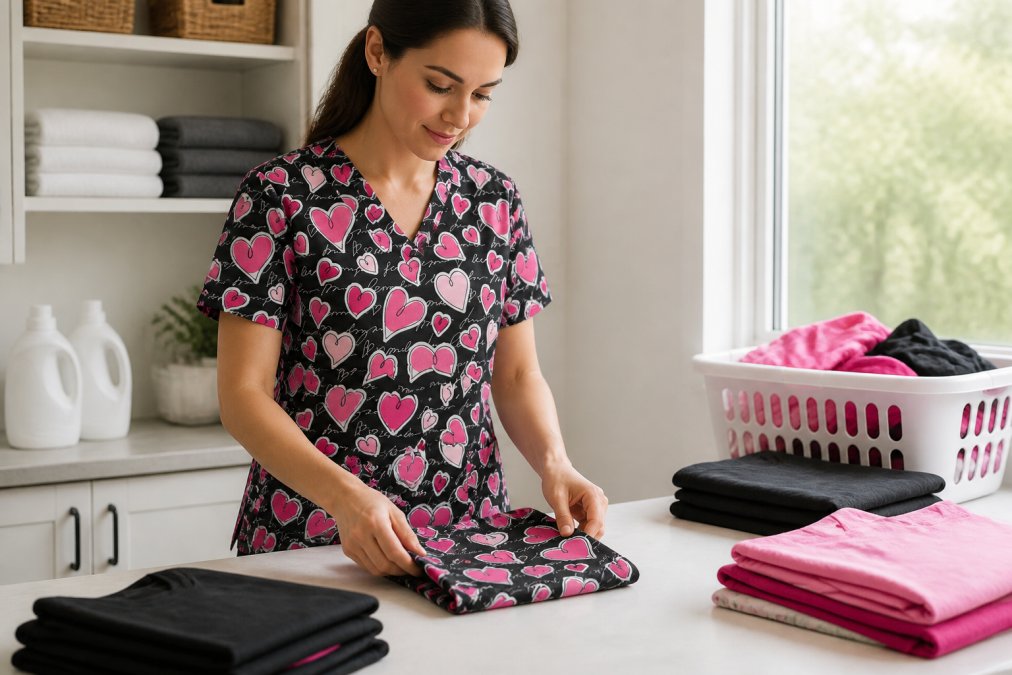
Fold scrubs carefully when storing. Tight creasing weakens fabric along the fold lines. Loose folding or hanging is gentler on the garment. Store scrubs in a cool, dry place away from direct sunlight to prevent fading.
Repair small issues immediately. A small tear or loose stitch is easy to fix and takes 5 minutes. Left alone, it becomes a major problem requiring significant repair or replacement. Regular inspection and prompt maintenance keep scrubs in service much longer.
Inspect seams and pockets regularly. Look for loose threads, early separation, or areas where stitching is coming undone. Catching problems early makes repairs simpler and more effective. This is especially important for pocket areas since they take the most stress.
Quality scrubs with reinforced pocket stitching represent a genuine investment in your workday comfort and reliability. Healthcare professionals spend more waking hours in scrubs than in any other clothing. That reality demands durability and thoughtful construction. When you choose scrubs built with double-needle stitching, bar tacking, and heavyweight fabric, you're choosing gear designed to survive your job. The love2wear_scrubs Pocket V-Neck Short-Sleeved Scrub Shirt delivers exactly that combination of durability, comfort, and modern design at an accessible price point. Your pockets stay intact, your tools stay secure, and you focus on what matters, your patients and your shift. Start with scrubs engineered for real-world demands, and you'll notice the difference from day one.
Frequently Asked Questions
Q: Why do scrub pockets rip so easily?
A: Scrub pockets tear quickly when they lack reinforced pocket stitching and proper bar tacking at stress points. Pockets carry heavy items like phones, scissors, and stethoscopes throughout long shifts. Without double-needle construction and reinforcement at the corners, single-stitched seams fail under repeated stress. Quality durable medical apparel uses bar tacking and double-needle stitching specifically at pocket corners and edges to distribute weight evenly and prevent tearing.
Q: What fabric blend is most durable for healthcare professionals?
A: A polyester-cotton blend, typically 65% polyester and 35% cotton, offers the best durability for medical scrubs. Polyester provides strength, fade resistance, and wrinkle resistance, while cotton adds breathability and comfort for long shifts. This blend resists pilling, maintains seam integrity through industrial laundering, and handles the tensile stress of daily wear better than 100% cotton. Look for best scrub fabrics for longevity that specifically highlight this composition on product labels.
Q: How can I tell if scrub pants have quality reinforced pocket stitching?
A: Examine the pocket corners closely for bar tacking, a reinforcement technique that creates small stitched boxes at stress points. Quality scrubs use double-needle construction throughout seams, visible as two parallel lines of stitching. Check pocket depth and weight capacity by feeling the fabric thickness. Press the pocket corner firmly; it should feel solid and not flex easily. Love2wear Scrubs' Pocket v-Neck Short-Sleeved Scrub Shirt at $21.00 features reinforced construction designed to withstand the demands of 12-hour shifts.
Q: Are reinforced pockets worth the extra cost?
A: Yes. Reinforced pocket stitching extends garment longevity significantly, reducing replacement frequency and overall cost per wear. For healthcare professionals buying multiple sets annually, investing in reinforced construction saves money long-term. The durability also means fewer wardrobe gaps during heavy rotation, reducing stress when favorite items tear unexpectedly during critical shifts.
This article was written using GrandRanker